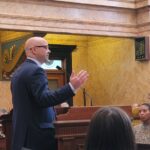
The Mississippi Senate Public Health Committee approved a bill that would allow clinical trials of Ibogaine, a psychoactive substance, for treating opioid addiction and neurological conditions. The legislation, HB 314, is sponsored by Rep. Samuel Creekmore (R), and aims to facilitate FDA-regulated research in the state.
Senator Josh Harkins (R) explained that Ibogaine is found in the root bark of the African Aboga plant and interacts with multiple brain systems. Harkins cited studies from Stanford University in 2024 and international treatments that suggest Ibogaine may help reduce PTSD symptoms and ease withdrawal from substances. The senator emphasized that the treatment remains preliminary and carries risks, including potential heart side effects, requiring medical screening prior to use.
Dr. Tom Recore, medical director of the Mississippi Department of Mental Health, supported the bill, calling Ibogaine one of the most promising novel treatments for opiate use disorder. Recore noted that each treatment costs about $50,000, significantly less than traditional substance abuse therapies, and has shown high success rates in small samples. He cautioned that relapse remains a possibility if patients return to their previous environments and triggers.
The legislation proposes allocating $5 million from the Opioid Settlement Fund to support the program. It would create a consortium of a drug developer, a university, and a hospital to conduct the trials, with the goal of achieving FDA approval. Harkins clarified that the bill does not legalize general use of Ibogaine but limits activity to regulated research and future medical approval.
Meanwhile, a separate bill allowing terminally ill patients to use medical cannabis gummies in hospitals did not pass the committee. The bill’s author, Rep. Kevin Felsher (R), said it was drafted after a case where a patient’s quality of life improved with THC treatment. The bill would give hospitals the option to allow or deny such use, but concerns about federal regulation violations and safety issues led to its rejection by an 8-9 vote. Committee Chair Sen. Hob Bryan (D) indicated the bill might be reconsidered at a future meeting.
Jon Ross Myers is the executive editor and publisher of the Mississippi News Network, Mississippi's largest digital only media company. He can be reached at editor@tippahnews.com