Oil prices jump amid Iran’s leadership change and escalating conflict
Oil prices climbed sharply Monday amid escalating tensions in the Middle East following Iran’s appointment of a new supreme leader and ongoing military conflict. Brent crude, the international benchmark, rose nearly 10% to around $119.50 per barrel early in the day, later trading above $101. The West Texas Intermediate, the U.S. benchmark, also surged past $119.48 before retreating closer to $100, according to market data.
Prices eased slightly after French President Emmanuel Macron said the Group of Seven nations could consider releasing emergency oil reserves to stabilize markets. However, later Monday, the G7 announced it would hold off on using strategic reserves for now, with French Finance Minister Roland Lescure stating the group was prepared to take coordinated action if necessary.
Meanwhile, Iran named Ayatollah Mojtaba Khamenei as its new supreme leader, signaling continued defiance amid ongoing U.S. and Israeli military strikes. The conflict has intensified, with Bahrain reporting an Iranian attack that set a desalination plant ablaze, prompting the national oil company to declare force majeure on shipments. Iranian strikes also hit oil depots in Tehran, further disrupting supply chains.
The war has impacted oil exports from the region. Iran, which exports about 1.6 million barrels daily, mainly to China, faces potential supply disruptions. The Strait of Hormuz, a critical shipping lane for about 20% of the world’s oil, has seen reduced tanker traffic due to threats from Iran, Israel, and the U.S. This has prompted Iraq, Kuwait, and the United Arab Emirates to cut production as storage fills.
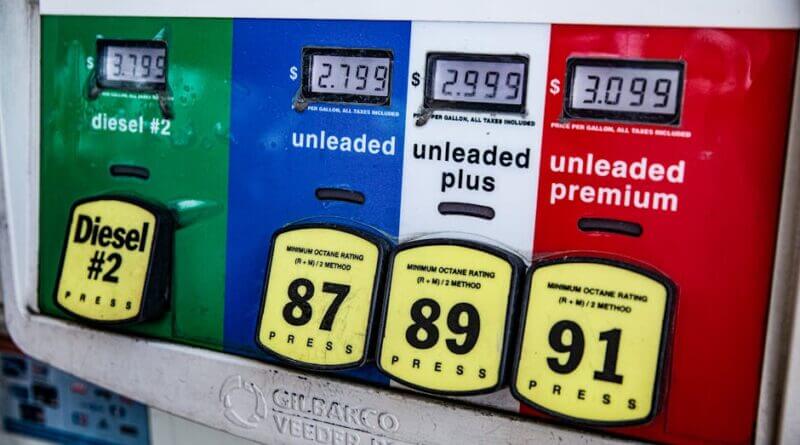
The energy crisis has pushed fuel prices higher globally. In the U.S., the average gallon of regular gasoline rose to $3.48, and diesel topped $4.66, according to AAA. Natural gas prices also increased, reaching about $3.34 per 1,000 cubic feet. Asian economies are feeling the strain, with long lines at gas stations and warnings from regional leaders about hoarding and price collusion.
The surge in energy costs has also affected financial markets. The South Korean Kospi index dropped 6%, and oil futures reached levels last seen in 2022, following Russia’s invasion of Ukraine. Higher energy prices contribute to inflation, squeezing household budgets and dampening consumer spending, which can slow economic growth globally.
In the U.S., gasoline prices have risen nearly 50 cents in a week, reaching an average of $3.48 per gallon. Diesel prices have increased by more than 80 cents, while natural gas prices are up from $3.19 to about $3.34 per 1,000 cubic feet. The situation remains fluid as markets react to the ongoing conflict in the Persian Gulf.
Source: Original Article