Democrat lawmakers criticize U.S. embargo after Cuba visit, cite humanitarian crisis
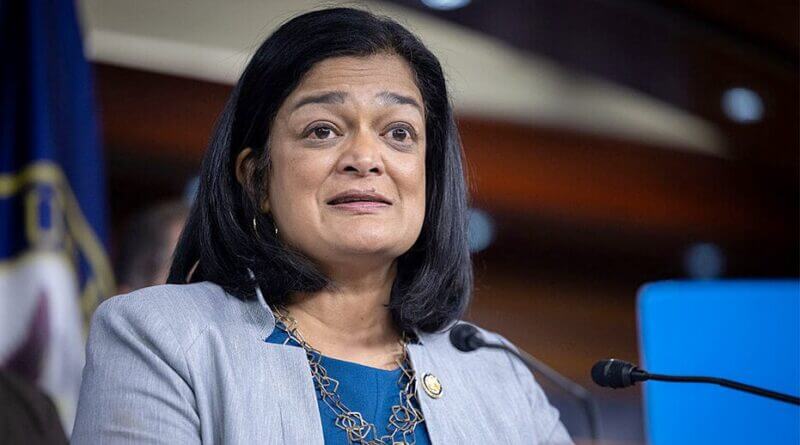
Reps. Pramila Jayapal, D-Wash., and Jonathan Jackson, D-Ill., accused the United States of imposing an “illegal U.S. blockade of fuel” on Cuba, describing it as “economic bombing” of the country’s infrastructure. Their remarks came after a five-day congressional delegation visited the island, during which they saw what they called a humanitarian crisis linked to U.S. sanctions.
In a statement Sunday, the lawmakers said the embargo has caused untold suffering for Cubans, including a lack of fuel that has prevented basic services. They noted that the U.S. prevented oil from entering Cuba for more than three months, calling it “cruel collective punishment” that has caused permanent damage. “It must stop immediately,” they added.
The delegation highlighted the impact of the embargo on health care and daily life, citing premature babies at risk due to power outages, children unable to attend school, and cancer patients lacking medications. They also pointed to a water shortage and a decline in food production to just 10% of the island’s needs. The lawmakers mentioned that businesses have closed and families cannot keep food refrigerated, worsening economic hardships.
The visit occurred amid escalating U.S. pressure on Cuba, with President Donald Trump recently calling the island a “failed nation” and suggesting Cuba is the next target following U.S. military actions in Venezuela and Iran. The lawmakers also noted that Jayapal and Rep. Gregory Meeks, D-N.Y., introduced legislation to block federal funds for military action against Cuba without congressional approval.
During their trip, Jayapal and Jackson met with various groups, including families, religious leaders, entrepreneurs, and dissidents. They said there is consensus across sectors that the embargo must end and that the Cuban government has shown signs of reform, such as releasing prisoners and allowing private investment. They also cited Cuba’s invitation for the FBI to investigate a lethal speedboat shooting as a sign of progress.
The lawmakers argued that the remaining obstacles to change rest with U.S. policy. They called for the two countries to negotiate and pursue collaboration that respects Cuban dignity and benefits Americans. “True reform will only come from charting a new course,” they said.
Source: Original Article