Vance heads to Pakistan for high-stakes Iran talks amid fragile ceasefire
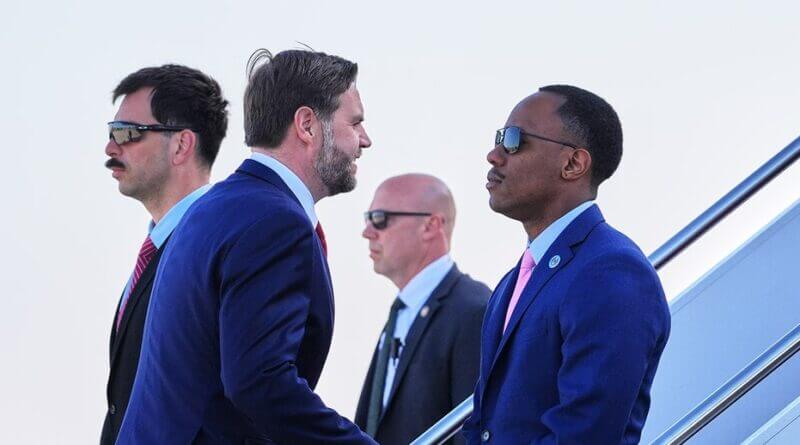
Vice President JD Vance is scheduled to arrive in Pakistan early Saturday to oversee negotiations with Iran intended to sustain a fragile ceasefire and avert wider regional conflict, according to U.S. officials.
Vance is accompanied by U.S. Special Envoy Steve Witkoff and Jared Kushner, a former senior adviser to President Donald Trump. Iranian officials participating in the talks include Foreign Minister Abbas Araghchi and Parliament Speaker Mohammad Bagher Ghalibaf, the sources said. The discussions are set for Saturday in Islamabad, roughly a month after the U.S. launched Operation Epic Fury, targeting Iran’s military infrastructure following the collapse of nuclear negotiations.
The operation brought the U.S. and Iran close to open conflict before recent diplomatic efforts led to a two-week ceasefire announced by President Donald Trump on Tuesday. The agreement suspends further U.S. strikes if Iran reopens the Strait of Hormuz, a vital shipping route. While Iran has signaled it will allow passage, shipping remains disrupted amid ongoing security concerns and uncertainty about enforcement, according to industry sources.
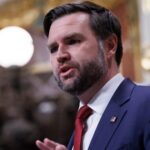
Vance issued a cautious warning before departing, telling Iran not to test the U.S. negotiating stance. “If they’re gonna try and play us, then they’re gonna find that the negotiating team is not that receptive,” he said, adding he still expects the talks to be “positive.”
Both sides remain deeply divided, with Iran emphasizing that the ceasefire is temporary and linking its success to developments in Lebanon and a halt to Israeli strikes on Hezbollah. Iran’s Supreme National Security Council stated it accepted the ceasefire but warned it could resume hostilities if its terms are violated. Meanwhile, Iran has expressed concern that ongoing Israeli attacks could threaten the broader agreement.
Pakistan has positioned itself as a neutral mediator, helping to broker the initial truce. However, recent comments by Pakistan’s defense minister, Khawaja Asif, criticizing Israel, sparked controversy and skepticism from Israeli officials, who questioned Pakistan’s neutrality. Despite the controversy, Pakistani Prime Minister Shehbaz Sharif emphasized diplomacy and dialogue, with both Washington and Iran expressing confidence in Islamabad’s mediating role.
The security environment in Pakistan remains tense. U.S. officials have long regarded Pakistan as a high-threat zone for diplomatic travel, citing threats from terrorist groups and the country’s persistent security challenges. A former Secret Service agent, Bill Gage, noted the dangerous environment during his 2006 visit, highlighting the need for heightened precautions. Despite these risks, U.S. officials see the Islamabad talks as a rare diplomatic opportunity that could influence regional stability, depending on whether both sides are willing to move beyond longstanding mistrust.
Source: Original Article