Black bears are slowly returning to the lower Mississippi River basin after decades of decline
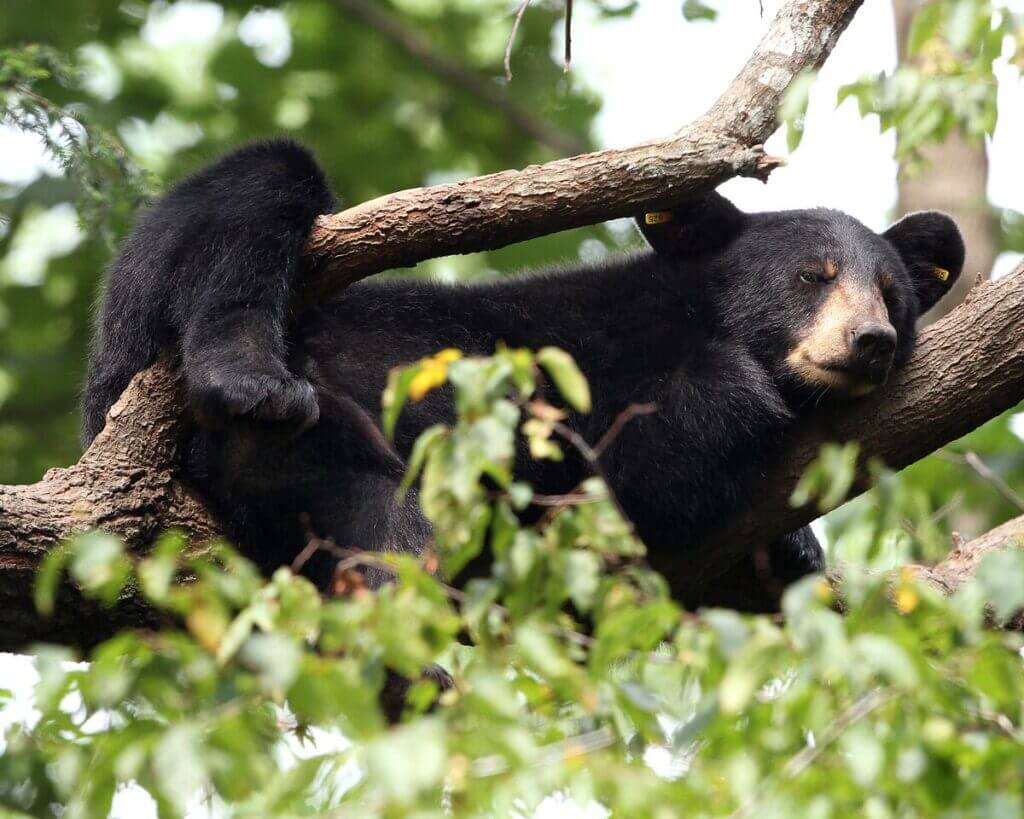
A photo of a black bear sitting on the edge of a Tennessee cornfield on the Fourth of July sparked social media interest and a flurry of sightings across western Tennessee. Over the following month, bears were recorded running through yards and across golf courses, prompting reactions ranging from surprise to humor, according to reports.
Dan Gibbs, black bear coordinator at the Tennessee Wildlife Resources Agency, said the sightings are part of a slow but steady process of bears recolonizing Middle and West Tennessee. He noted that bears likely migrated from neighboring states such as Kentucky, Mississippi, Arkansas, and Missouri, where populations are expanding.
Historically, black bears thrived across much of the southeastern United States, including the lower Mississippi River basin. Habitat destruction and overhunting in the 1800s and 1900s drastically reduced their numbers, confining them to small, mountainous areas in Tennessee and to isolated pockets in Mississippi and Arkansas.
Despite misconceptions, black bears are adaptable generalists that can survive in various ecosystems, including wetlands and floodplains. The Mississippi Alluvial Valley, once a thriving habitat, was considered the breadbasket for bears in the Southeast, with the region’s floodwaters supporting abundant food sources.
Population recovery efforts in Arkansas and Louisiana began in the mid-20th century, including reintroductions from Canada and Minnesota. Arkansas’s current estimate is about 5,000 bears, while Louisiana has approximately 1,500, after decades of habitat loss and hunting restrictions.
In Tennessee, the black bear population is estimated at around 6,000. The state closed its hunting season from 1970 to 1972 and now limits hunting to protect breeding females and reduce poaching. Mississippi has not reopened its hunting season but has ongoing population studies, with estimates from 2012 suggesting 150 to 300 bears, likely higher now.
While black bears are gradually returning to their historic range, experts say it will take decades for populations to establish fully in Middle and West Tennessee. The process involves complex factors, including habitat availability and migration patterns, making population surveys challenging.
Source: Original Article