Mississippi faces decline in public school enrollment, raising funding concerns
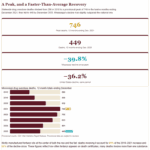
Mississippi has lost nearly 70,000 public school students since 2013, according to sources familiar with the state’s education data. The majority of the state’s 113 school districts have experienced enrollment declines, some by as much as 40 percent.
Experts attribute the decline partly to the state’s overall population loss. As districts continue to see fewer students, their funding could decrease. Mississippi’s new funding formula for public schools, adopted in 2024, ties money to student enrollment. A provision known as “hold-harmless” prevents districts from facing significant cuts until July 2027, when the true funding levels will be revealed, according to Kymberly Wiggins, chief operating officer of the Mississippi Department of Education.
Wiggins said districts will then have to adjust to their actual allocations, which could lead to budget reductions. She noted the legislature will have the opportunity to modify the funding formula in 2028 to lessen the impact of declining enrollment. Meanwhile, superintendents like Tyler Hansford of Union Public Schools warn that, without federal pandemic relief funds, districts may be forced to cut personnel or face consolidations and closures.
Some districts are already taking steps. Leake County schools, which have lost about 20 percent of their students over the past decade, announced plans to consolidate two high schools. In Leland, a town that peaked at 6,667 residents in 1980 and now has fewer than 4,000, enrollment in the public school district has dropped by about 300 students since 2013-14. Superintendent Jessie King expressed concern about potential staff cuts if funding continues to decline.
In urban areas like Jackson, enrollment has also plummeted. Jackson Public Schools lost about 13,000 students, nearly half, since 2013-14. Superintendent Will Jordan said some students are transferring to nearby districts, which has led to larger class sizes and staff reductions. Similar pressures affect districts across the state, raising questions about the future of public education in Mississippi.
Despite the downward trend, some districts like Oxford are growing. Oxford School District’s enrollment increased by 16 percent over the past decade, driven by its strong local economy and investments in facilities and programs. Petal School District, a suburb of Hattiesburg, also reports modest growth. Experts note that declining birth rates and outmigration continue to challenge the state’s ability to retain students, with many families opting for homeschooling or moving out of state.
While Mississippi’s education system has received praise for fourth-grade literacy, the ongoing population decline and economic factors threaten its long-term stability. Analysts warn that the state’s success in education may be undermined if economic opportunities do not improve, potentially leading to a cycle of training students for jobs that no longer exist locally.
Source: Original Article