House narrowly backs presumption allowing troops, Pentagon civilians to carry personal firearms on bases
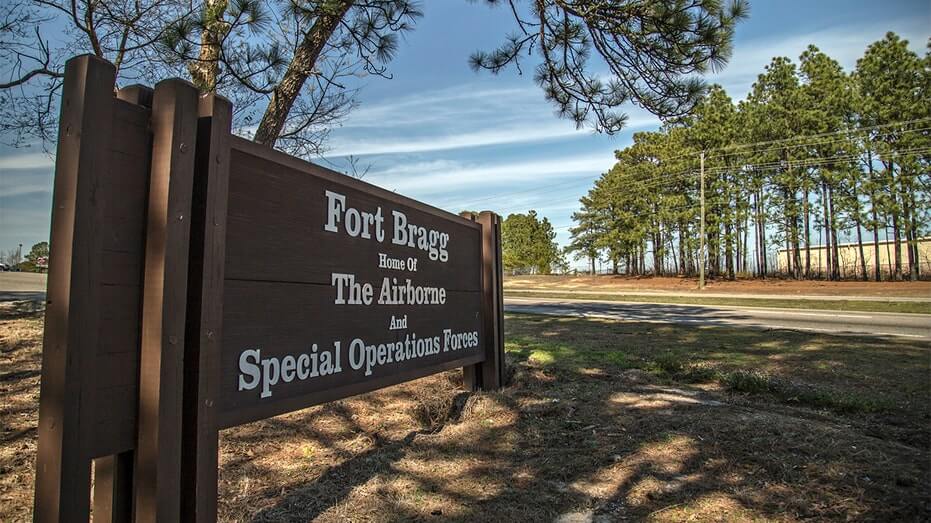
The House voted 215-214 Tuesday to establish a presumption that installation commanders will approve requests from qualified service members and Pentagon civilian employees to carry personal firearms on military bases, Rep. Jeff Crank, R-Colo., told reporters.
The amendment from Crank would not automatically authorize personnel to carry firearms on post but would make approval the default when requests are made, lawmakers said. Three Democrats joined most Republicans in favor; three Republicans and independent Rep. Kevin Kiley of California opposed the measure, the roll call shows.
The vote came less than a year after an Army sergeant allegedly used a personal handgun to shoot five fellow soldiers at Fort Stewart, Georgia, in August 2025, military officials said. Other soldiers tackled and disarmed the sergeant, and all five victims survived. Personal firearms were prohibited on the post at the time, officials said.
Lawmakers also approved several divisive policy changes as they debated amendments to the fiscal 2027 National Defense Authorization Act. An amendment from Rep. Nancy Mace, R-S.C., barring TRICARE coverage for transition-related hormones, puberty blockers and surgeries passed 219-208, lawmakers said. A second Mace amendment barring transgender girls from participating in girls’ sports at Department of Defense Education Activity schools passed 221-203. An amendment from Rep. Lauren Boebert, R-Colo., to codify former President Donald Trump’s 2025 order banning transgender troops failed 217-212, the vote showed.
Other measures considered included a failed effort by Rep. Eli Crane, R-Ariz., to largely eliminate funding for the Pentagon’s Ukraine Security Assistance Initiative, which 76 House Republicans supported, and a rejected amendment that would have barred foreign nationals from U.S. military academies, which failed 360-61, according to House officials. Lawmakers also voted to eliminate a proposed pilot program using voice-based risk-assessment technology for drug testing and narrowly approved language to ensure continued operation of California’s Santa Ynez Pipeline System by a 215-214 vote.
The House made 320 amendments eligible for consideration as members worked through the NDAA, with final passage expected after remaining proposals are debated, leaders said. The underlying bill would authorize roughly $1.15 trillion for national defense, about $252 billion more than fiscal 2026 appropriations, and would provide pay raises of 5% to 7% for service members and expand investments in missile defense, hypersonics and other technologies, according to the bill text. The NDAA sets policy and authorizes spending levels but does not appropriate the funds, meaning separate appropriations action will be required, lawmakers noted.
Consideration of the legislation had been delayed three weeks by a Republican dispute over the SAVE America Act. House leaders directed the clerk to merge the election measure with the NDAA before sending the package to the Senate, a procedural step that faces additional hurdles in the upper chamber, where Democrats have blocked consideration of the Senate defense bill amid concerns over the administration’s response to the Iran war, Senate Democrats and Republican leaders said.
Source: Original Article