Remember, Reckon, Restore: Faith in the Midst of Memory and Municipal Strain
This week’s national memorial moment — 25 years since Sept. 11, when even small details remain etched in so many minds — is rightly a season of remembering. A new poll noted that the shadow of that day still colors how many Americans rank the last quarter-century of events. Memory, rightly held, helps a people learn; memory neglected or distorted can harden into fear or indifference.
The Scriptures teach a discipline of remembering that includes lament, confession and the careful naming of wrongs. For communities of faith this is not mere nostalgia: it is a moral practice that leads to mercy and accountability. If we remember loss only to sentimentalize it, we miss the prophetic edge of memory that cries out for justice and repair.
That prophetic demand is starkly local in Mississippi news: Jackson police have made a first arrest in the killing of Tasia Fortune, who was found hanging from a tree. Such a case presses churches and neighbors to tenderly accompany the grieving, to insist on transparent investigation, and to refuse the cheap consolations that let community violence be normalized.
At the same time, municipal stewardship matters. Jackson’s council set a budget after “scraping every couch cushion” for firefighting money. Faith communities that preach neighbor-love must also teach and practice civic stewardship — pressing leaders for priorities that protect life, encouraging prudent budgeting, and volunteering where local capacity is thin.
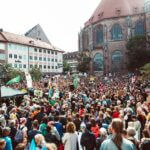
Civic faith also looks like insisting that the means of participation remain open. A Jackson State University student’s question — “The ballot is free. So why does voter suppression still exist in Mississippi?” — is a faithful provocation. If voting is the public expression of our obligations to one another, then congregations should be active in protecting access, educating consciences, and tending the public square without partisanship.
These hard civic and moral questions are shadowed by stories of both resilience and deep harm. A Mississippi teen’s perseverance — overcoming health challenges to harvest a 12-foot alligator — reminds us of grit, skill and the joys of human flourishing. Yet reports that two women accuse a former Mississippi counselor of sexual attacks and that an embattled charter school in Canton remains in limbo underscore how institutions and trusted figures can fail the vulnerable. Faithful communities must celebrate resilience while demanding accountability and safe institutions.
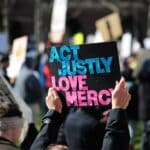
On this anniversary week, faith’s work is threefold: remember honestly, reckon justly, and repair faithfully. That means liturgy and prayer for the lost; public witness for victims and for the commons; and steady, compassionate engagement with the institutions that shape daily life. If memory teaches anything, it is that remembrance without action grows hollow. The gospel summons us to mourn with those who mourn, to seek justice for the oppressed, and to labor for the common good in both chapel and council chamber.