In a single sweep of the local news feed — stories about politicians’ apparent ability to avoid blame for rising health-care costs, a Mississippi Book Festival drawing thousands to Jackson, a re‑entry program in Stone County overwhelmed with need, a reported killing linked to a drug dispute in Jackson, new rules on student absences, and contested races over prosecutor offices and jail crowding — we see a civic portrait that is at once ordinary and urgent. These are not abstract policy debates; they are the daily grammar of neighborly life.
There is a theological question behind the headline about elected officials and the “superpower” to avoid accountability for rising health costs: who bears responsibility for the vulnerable? Scripture insists that stewardship and protection of the weak are not optional. The prophetic tradition — Jewish and Christian alike — names systems that impoverish and exhorts leaders to answer for the consequences of policy. When institutions deflect blame, the moral work of naming harms and advocating for reform falls partly to citizens and, yes, to congregations.
That obligation shows up concretely in the criminal‑justice items this week. A re‑entry program in Stone County with a growing waitlist and candidates for district attorney sparring over corruption, dysfunction and jail crowding point to a system stretched beyond capacity. Christian moral reflection distinguishes retribution from rehabilitation: a just society limits harm and seeks restoration. Pastoral care calls us to support structures that reduce recidivism, provide housing and jobs, and relieve the human pressure that turns courts and jails into default social services.
At the same time, headlines about the killing in Jackson linked to a drug dispute and the testimony in high‑profile policing trials remind us that grief, public safety and due process must be held in painful tension. The church’s first response is not political calculus but presence — lament for victims, prayer for families, and insistence on transparent, impartial investigation. Faith communities are uniquely placed to hold those polarities together: to comfort and to press for truth and equity in systems of justice.
And amid these harder stories, the Mississippi Book Festival — thousands gathering to celebrate the written word — is an odd but necessary counterpoint. Public conversation cultivated by literature, reading and listening builds the civic habits we need: attention, imagination and humility. New student‑attendance rules likewise raise questions about how schools, families and congregations cooperate to form disciplined, flourishing young people. The practice of showing up — to school, to a trial, to a civic forum, to a neighborhood meeting — is itself a moral formation.
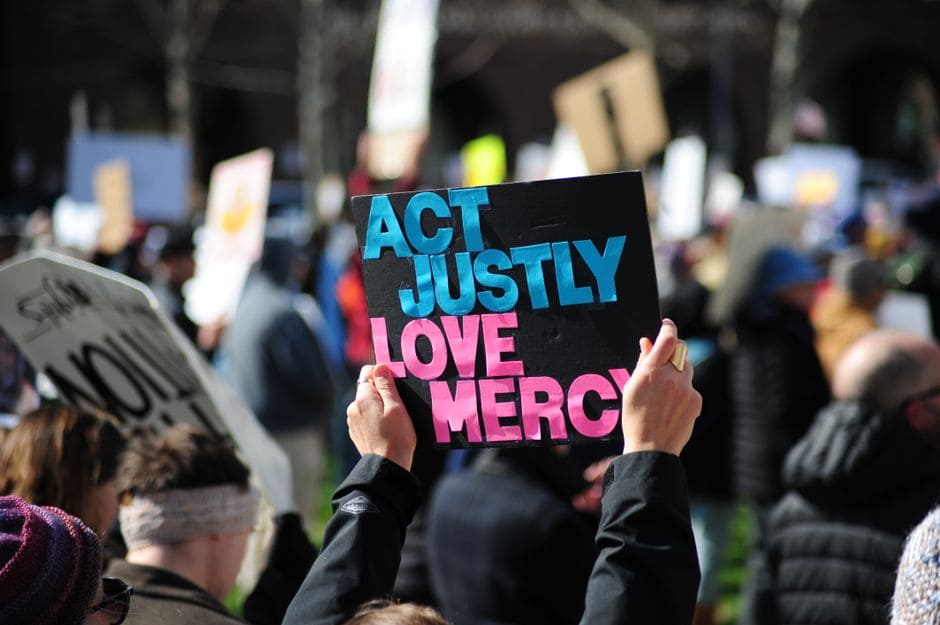
So what should faithful citizens do? First, refuse the temptation to outsource moral responsibility entirely to officials: pray, yes, but also volunteer with re‑entry programs, mentor students affected by attendance policies, and support organizations that help neighbors navigate health care. Second, insist on institutional accountability without surrendering mercy — demand transparent answers about health‑care costs and prosecutorial practices while advocating for restorative options that keep families intact where possible. Finally, cultivate public conversation: attend a festival, a forum, a school meeting; read; listen. Micah’s summons — to do justice, love mercy and walk humbly with God — remains a practical roadmap for a fractured civic life.
Jon Ross Myers is the executive editor and publisher of the Mississippi News Network, Mississippi's largest digital only media company. He can be reached at editor@tippahnews.com