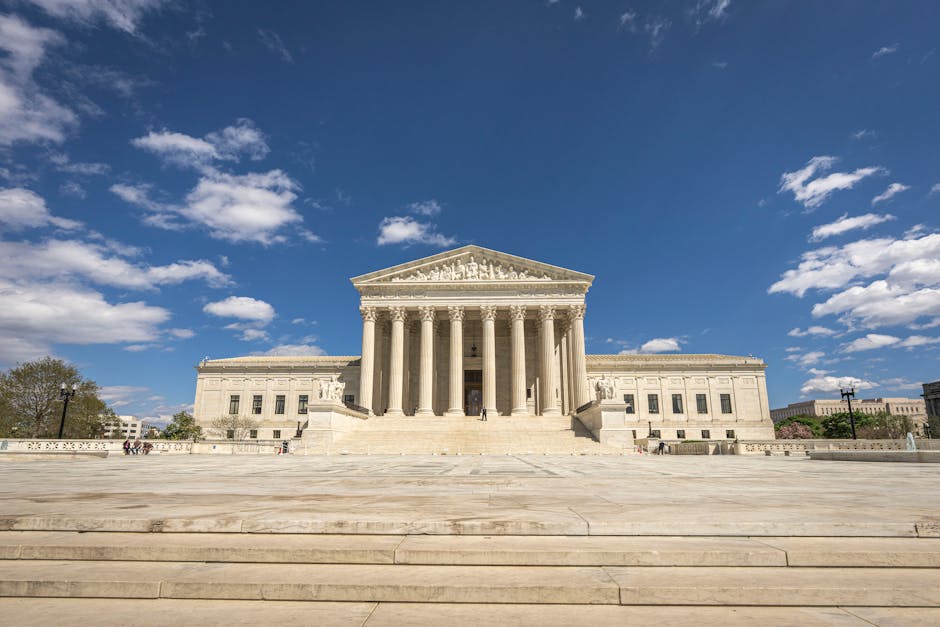
Supreme Court ruling could weaken Black political representation in Mississippi, advocates say
The U.S. Supreme Court’s decision in Louisiana v. Callais has undercut enforcement of Section 2 of the Voting Rights Act, civil rights lawyers and organizers said, opening the door for Republican strategists in Mississippi to redraw state and local political maps.
Gov. Tate Reeves announced a special session of the Mississippi Legislature for May 20 to redraw state Supreme Court maps, Reeves said. Supporters of new maps are expected to seek changes to legislative and judicial districts as well as city council, county and school board lines, organizers and civil rights lawyers said.
State Auditor Shad White has urged lawmakers to pursue more extensive changes, including eliminating the 2nd Congressional District represented by Rep. Bennie Thompson, White said. The 2nd District is a majority-Black district that federal courts required Mississippi to draw for decades, advocates note.
Federal courts ordered redrawn legislative districts last year under the Voting Rights Act, leading to the election of two Black state senators and one Black state representative, court records and advocates said. Civil rights lawyers and organizers warned that those gains could be at risk following the Supreme Court ruling.
Civil rights lawyers said Section 2 had long served as the primary legal backstop in local fights over at-large versus single-member districts and other election structures that affect school boards, city councils and county supervisors. They said the ruling will make such challenges more difficult and could reduce the political influence of as many as 700,000 Black Mississippians if districts are redrawn, advocates said.
Organizers and lawyers said they were already mobilizing but cautioned that legal organizing cannot fully replace federal protections. Supporters of redrawing maps have signaled they will move quickly, civil rights lawyers said, and the key questions are how fast lawmakers act and whether courts or voters can block proposed changes.
Source: Original Article