An Air Force colonel shot down over Iran was rescued about 50 hours after his F-15E was struck April 2, surviving a damaged parachute, three broken bones and a sustained enemy manhunt, CBS News reported.
CBS identified the officer only by his mission call sign, “Bravo,” and said he was the weapons systems officer seated behind the pilot, known as “Alpha,” when an Iranian shoulder-fired missile hit the aircraft during a mission near industrial facilities south of Isfahan.
Bravo told CBS that he believed his parachute had failed as he plunged toward the desert at an estimated 70 to 100 mph. The violent landing, CBS reported, left him with a broken back, arm and shoulder and stranded roughly five miles from Alpha in territory where Iranian forces and armed groups were searching the area.
U.S. Central Command leader Adm. Brad Cooper told CBS the two-man crew had been assigned to strike facilities tied to Iran’s drone and missile program. “We had air superiority, but clearly we weren’t flying over Kansas,” Cooper told the program.
CBS reported that Alpha was recovered about six hours after the crash during a daylight rescue in which U.S. helicopters came under fire. Bravo sent messages to U.S. forces saying he was injured but still moving and wrote, “God is good,” the network said.
Defense Secretary Pete Hegseth told CBS he was awakened and informed the jet had been shot down and that U.S. forces were determined to recover the crew. Joint Chiefs of Staff Chairman Gen. Dan Caine told CBS there was “clear intent” by Iranian ground forces to find the downed aviators.
CBS said U.S. forces tracked both Bravo and Iranian search teams, including through what the network described as a CIA deception campaign and classified technology used to pinpoint Bravo’s location. Newly declassified footage shown to CBS, the network reported, included strikes by U.S. bombers and drones on forces linked to Iran’s Islamic Revolutionary Guard Corps as the rescue moved into place.
Cooper told CBS more than 90 U.S. service members entered Iran on the ground — the first American boots there in 46 years, according to the account — while hundreds more participated by air and thousands provided support. Two large search-and-rescue aircraft landed on a makeshift desert runway but became trapped in sand, CBS reported.
CBS said small “Little Bird” helicopters then flew toward Bravo’s position on a roughly 7,000-foot ridgeline and that Bravo later described seeing his rescuers as “one of the greatest moments of my life.” The network reported that the landing gear of the two rescue planes became trapped, stranding Bravo and more than 90 service members, and that a clandestine Air Force unit was brought in to extract the group.
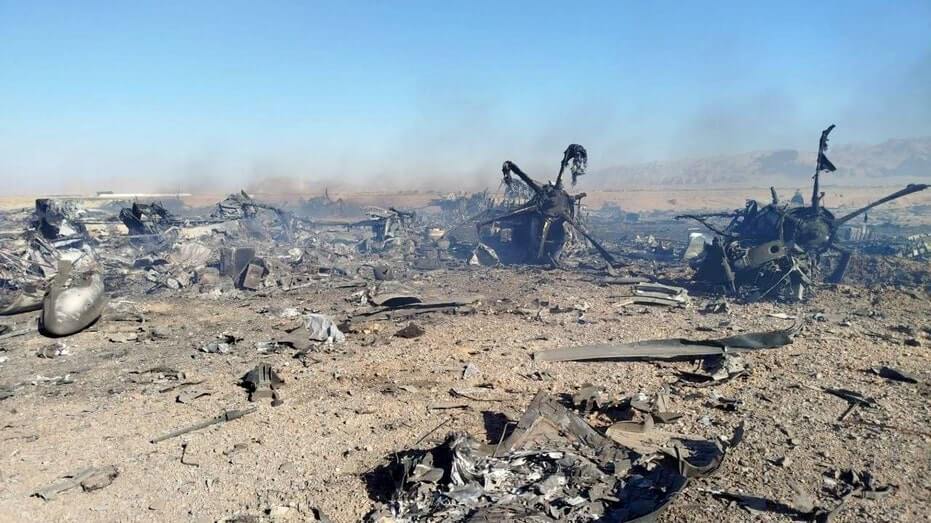
The U.S. military, CBS reported, destroyed the two stranded aircraft, each valued at about $100 million, along with the smaller helicopters to prevent sensitive technology from falling into Iranian hands. The network said the rescue was completed about 50 hours after Dude 44 was shot down, with the operation concluding as the sun rose on Easter Sunday.
Bravo told CBS he viewed his survival as a “modern-day miracle” and said his account reflected teamwork, training, faith and leadership he said demonstrated America’s commitment to leave no one behind. The interview aired during the season premiere of CBS News’ “60 Minutes,” the network said, the program’s first season under editor-in-chief Bari Weiss and executive producer Nick Bilton.
Jon Ross Myers is the executive editor and publisher of the Mississippi News Network, Mississippi's largest digital only media company. He can be reached at editor@tippahnews.com