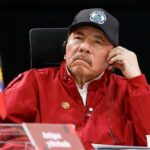
Nicaragua’s congress announced plans Tuesday to eliminate elections in the Central American country, fulfilling President Daniel Ortega’s recent statement that the nation would no longer hold voting processes. The move comes amid widespread international criticism.
The legislative body, firmly controlled by Ortega and his wife, Rosario Murillo, said the constitutional overhaul aims to ensure Nicaragua’s “peace, security and stability,” according to a statement. The reforms effectively cancel scheduled elections, including one set for November 2027, and reinforce Ortega’s grip on power.
Ortega, who has led Nicaragua since 2007, declared on Sunday that there would be no more elections. He claimed that the days of U.S.-backed parties returning to power are over, adding that the country would not allow opposition efforts to seize control. His comments coincided with the anniversary of the 1979 Sandinista revolution, which Ortega participated in overthrowing the Somoza dictatorship.
In recent years, Ortega and Murillo have expanded their authority through constitutional changes that extended the presidential term and placed the legislative, judicial, and electoral institutions under presidential control. Critics say these actions have dismantled electoral competition and suppressed opposition voices. Many opposition leaders have been imprisoned, exiled, or stripped of citizenship, while independent organizations have lost legal status.
International bodies, including the United Nations, have condemned Nicaragua’s move. A UN experts’ report accused the government of systematic human rights violations, some potentially amounting to crimes against humanity. The crackdown on protests in 2018 left more than 300 people dead, according to human rights groups.
U.S. officials responded swiftly. Secretary of State Marco Rubio called Ortega’s declaration a sign of an authoritarian regime and urged the international community to take action. The Trump administration has imposed sanctions and visa restrictions on hundreds of Nicaraguan officials. The United Nations’ high commissioner for human rights, Volker Türk, criticized the move, emphasizing the importance of allowing political participation and free elections.
Jon Ross Myers is the executive editor and publisher of the Mississippi News Network, Mississippi's largest digital only media company. He can be reached at editor@tippahnews.com