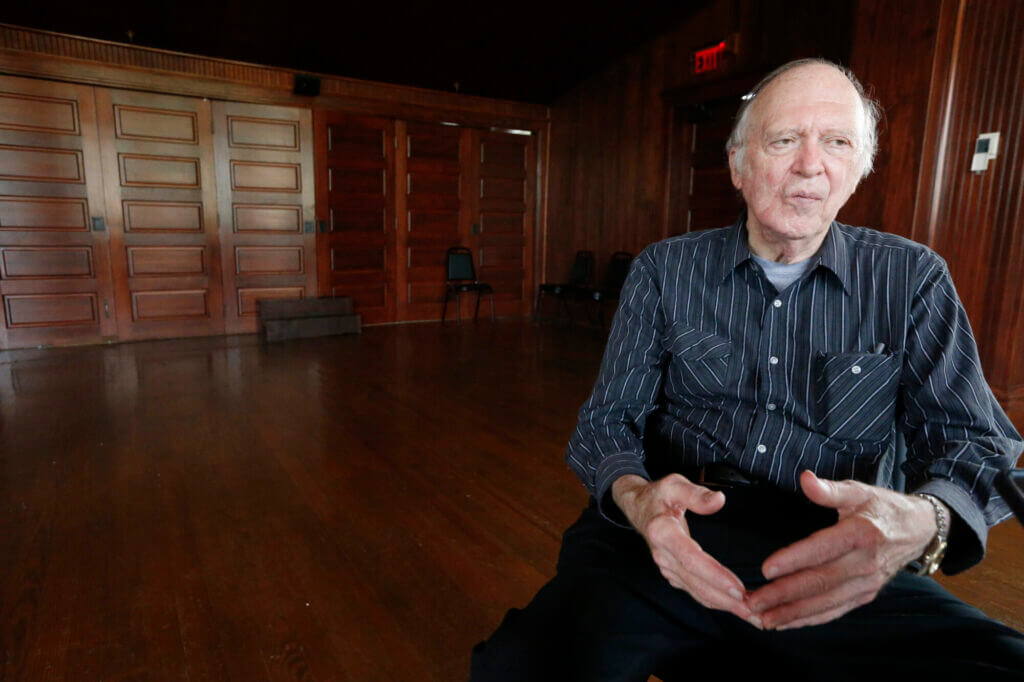
The Rev. Ed King, a white minister and civil rights activist who helped establish the Mississippi Freedom Democratic Party, died Saturday in Jackson. He was 89, coinciding with the nation’s 250th birthday of independence, according to family members.
King was known for challenging Mississippi’s segregated society in the 1960s. Former Assistant Secretary of State Constance Slaughter-Harvey recalled that King exemplified Jesus’ teachings on love, justice, and compassion. She met him in 1964 when she was a sophomore at Tougaloo College, where he served as chaplain and civil rights sponsor.
In 1963, King assisted Tougaloo students during a sit-in to integrate the Woolworth’s lunch counter in Jackson. The students faced violence from a white mob, with one, Memphis Norman, beaten unconscious. Among those participating were Anne Moody, who later authored a memoir, and Joan Trumpauer Mulholland, one of the first white students at Tougaloo in the 1900s. Trumpauer Mulholland described King as an inspiring and welcoming figure.
Though his ancestors fought for the Confederacy and upheld segregation, King’s views evolved as he grew older. By his teens, he recognized the need for change, influenced by leaders like Medgar Evers. After studying in Boston, King returned to Mississippi and became active at Tougaloo, organizing protests and facing multiple arrests.
King was a candidate in the 1963 Freedom Vote, a mock election that demonstrated the desire of Black Mississippians to participate in democracy despite barriers like poll taxes and violence. The election drew national attention, with King running for lieutenant governor alongside Black candidate Aaron Henry for governor.
In 1964, King and other Mississippi Freedom Democratic Party members challenged the state’s all-white delegation at the Democratic National Convention. Their efforts, though unsuccessful, helped push the Democratic Party toward greater inclusion. Activists noted that native Mississippians like King proved the movement was led by local people, not outside agitators, as segregationist leaders claimed.
King also challenged racial segregation in churches, driving to all-white congregations with Evers, often being turned away. His activism sometimes led to violence; he was seriously injured in two car crashes in the 1960s, which some believed were attempts on his life.
Later in life, King shifted from leadership to advocacy, supporting emerging civil rights leaders. He participated in a 1977 lawsuit against the Mississippi Sovereignty Commission, which had surveilled civil rights activists. The case resulted in the release of the agency’s files, which King helped pursue through legal channels.
King co-authored the 2014 book “Ed King’s Mississippi,” featuring photographs from the civil rights era and reflecting on the movement’s significance. He emphasized that a vital part of civil rights was empowering oppressed people to claim their identity and dignity, rooted in their spiritual belief as children of God.
Reena Evers-Everette, of the Medgar & Myrlie Evers Institute, remembered King as a loyal friend and strategist who dedicated his life to fighting for justice for all. His legacy includes his lifelong commitment to civil rights and social justice, family members said.
Jon Ross Myers is the executive editor and publisher of the Mississippi News Network, Mississippi's largest digital only media company. He can be reached at editor@tippahnews.com