The U.S. Supreme Court’s recent decision in Trump v. Slaughter has raised alarms about the future of civil service protections in the United States. The 6-3 ruling permits President Donald Trump to dismiss commissioners of various government agencies without cause, regardless of Congress’s intent to insulate these bodies from political influence, according to court documents.
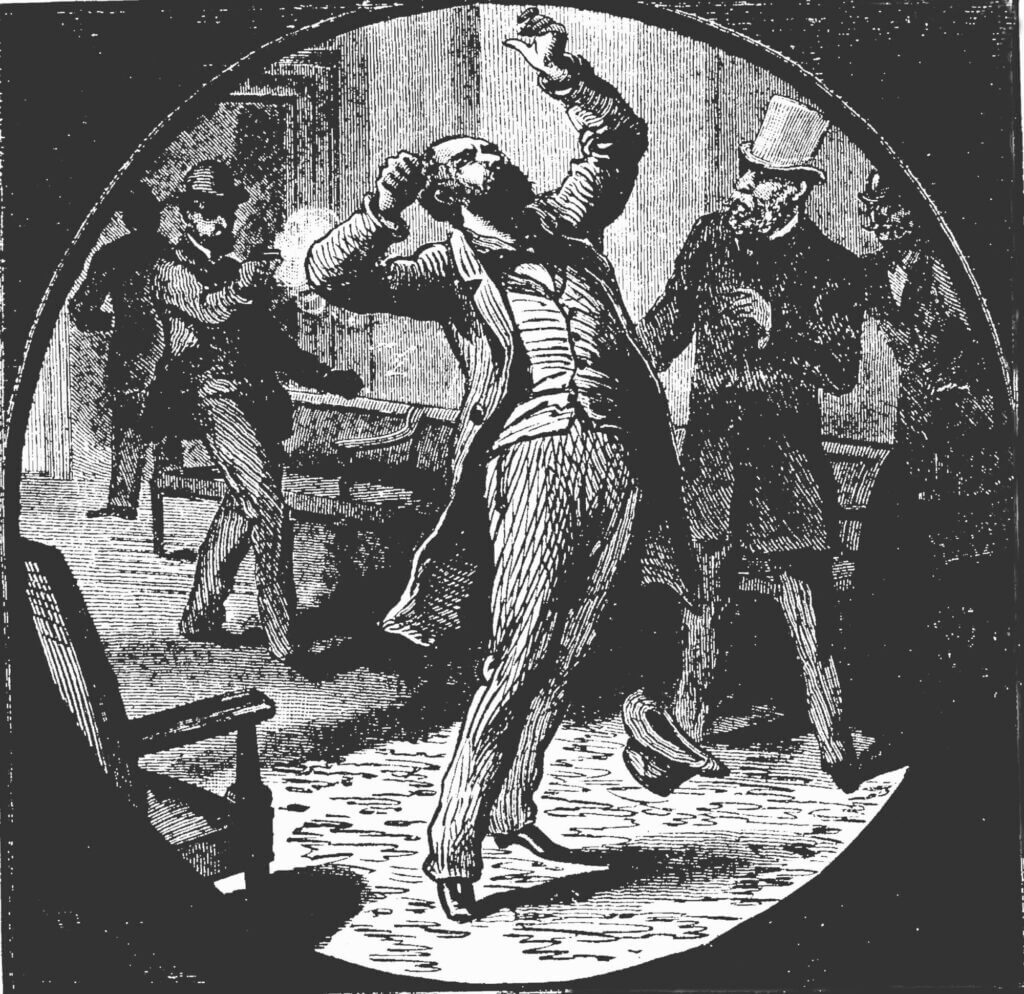
The decision is seen by critics as a significant weakening of the civil service system, which originated in the aftermath of President James Garfield’s assassination in 1881. Garfield, a reform-minded president, campaigned against the spoils system and advocated for merit-based hiring. His death by Charles Guiteau, a mentally unstable man seeking political rewards, helped spur the creation of civil service protections aimed at reducing corruption and political patronage in government employment.
Earlier this year, the Supreme Court also upheld the firing of numerous Department of Education employees without cause, further limiting protections established to promote a more impartial civil service. These rulings follow a trend of recent decisions that critics say undermine landmark legislation designed to promote fairness and civil rights. For instance, the court previously struck down key provisions of the Voting Rights Act, which aimed to safeguard voting rights for Black Americans and other minorities.
Historically, these legal shifts echo the turbulent early history of American civil rights and government reform. The miniseries “Death by Lightning,” which recounts President Garfield’s life and assassination, dramatizes the era’s struggles. In the series, Garfield’s widow, Lucreta Garfield, visits Guiteau in prison and laments her husband’s short presidency, suggesting that his legacy was limited by violence and political turmoil. Meanwhile, some argue that recent Supreme Court decisions threaten to diminish the protections that stemmed from those historic struggles, potentially impacting the civil service’s role in a just society.
Jon Ross Myers is the executive editor and publisher of the Mississippi News Network, Mississippi's largest digital only media company. He can be reached at editor@tippahnews.com