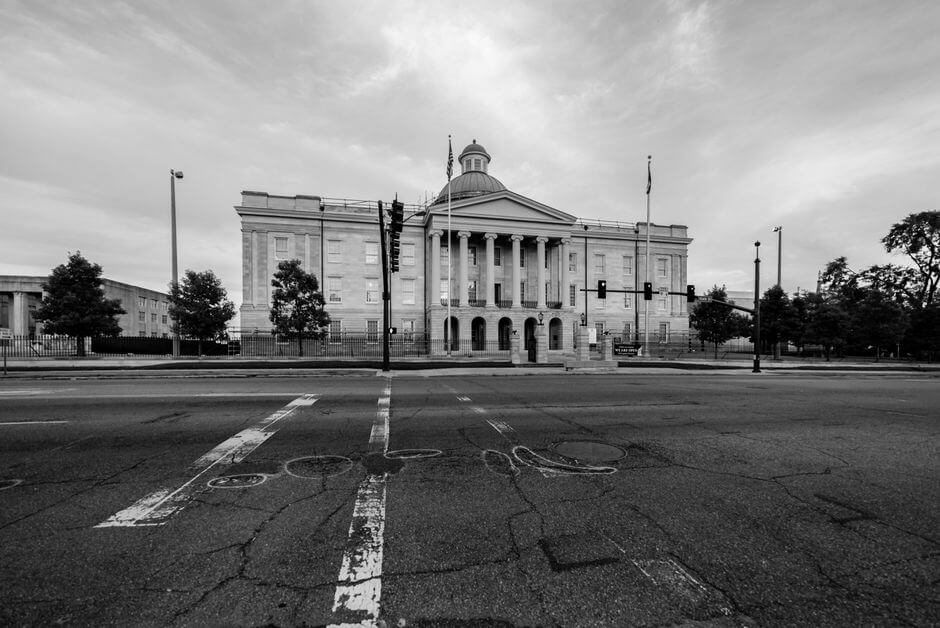
Mississippi may call redistricting special session after Supreme Court ruling, report says
Gov. Tate Reeves has indicated he could call the Mississippi Legislature into special session later this year to redraw legislative and congressional districts, the article said. Lawmakers would likely consider 52 state Senate and 122 state House districts, along with four U.S. House districts, the report said, following a U.S. Supreme Court decision in Louisiana v. Callais that appeared to limit the Voting Rights Act.
Based on comments from Mississippi elected leaders, the article said the Legislature is likely to attempt maps that would reduce the number of majority-Black districts in a state where the African American population is near 40 percent. The report said legislative redistricting would probably target the 2027 state elections and congressional maps would be drawn for the 2028 federal election.
The article recalled a similar effort in a 2001 special session, when Democrats controlled the Legislature but could not agree on a plan after Mississippi lost a congressional seat following the 2000 Census. The most obvious pairing put Democratic Rep. Ronnie Shows and Republican Rep. Chip Pickering in the same district, the report said, and competing House and Senate plans drew national attention.
According to the article, the House plan — nicknamed the “tornado plan” — proved controversial in parts of northeast Mississippi, and Lt. Gov. Tuck’s opposition to splitting Lauderdale County deepened the rift. Democratic Gov. Ronnie Musgrove eventually used a constitutional power to end the special session, the report said, and the issue moved to the courts. When Republicans failed in state court, they won a favorable federal ruling and Pickering beat Shows in the next election, the article said.
The article said the 2001 session was a precursor to Mississippi’s shift toward the national Republican Party. It added that with Republicans now holding substantial majorities in both chambers and occupying the governor’s office, they are likely to secure their preferred outcomes in any upcoming redistricting special session, according to the report.
Source: Original Article