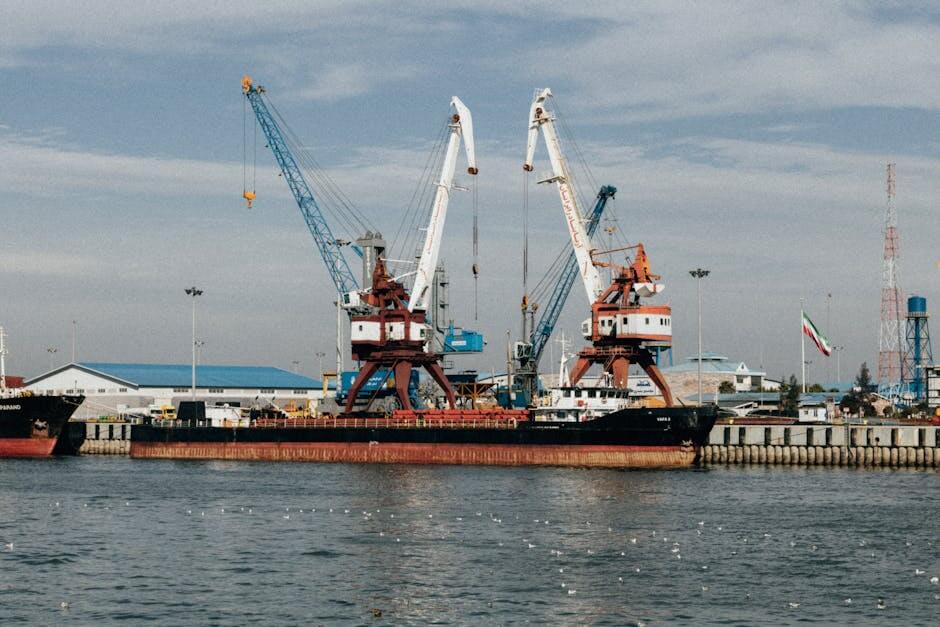
U.S. begins naval blockade of Iranian ports amid escalating tensions
President Donald Trump announced Monday that the U.S. military has begun a naval blockade of Iranian ports, part of an effort to pressure Tehran to reopen the Strait of Hormuz and accept a deal to end more than six weeks of conflict. Trump made the announcement outside the Oval Office, saying the blockade started at 10 a.m. EDT.
According to a notice from the U.K. Maritime Trade Operations agency, the blockade restricts access to Iran’s entire coastline, including ports and energy infrastructure. The agency added that transit through the Strait of Hormuz for non-Iranian destinations is not reported to be impeded, though ships may encounter military presence. At least two tankers approaching the Strait turned back shortly after the blockade began, according to vessel tracker MarineTraffic.
Iran responded with threats, warning that security in the Persian Gulf and the Gulf of Oman is for everyone or for no one. Iranian officials said no ports in the region will be safe. The threats led to a decline in commercial shipping through the Strait, with fewer vessels crossing since the ceasefire last week, down from about 100 to 135 daily before the conflict.
The move has sent oil prices soaring. Brent crude hovered just below $100 per barrel Monday, up from roughly $70 before the war started. British Prime Minister Rishi Sunak and French President Emmanuel Macron announced plans to hold a summit this week to promote a multinational effort to restore navigation in the Strait. Macron described the effort as a ‘strictly defensive’ mission separate from the conflict.
Iranian officials warned of retaliation. Ebrahim Rezaei, a spokesperson for the Iranian parliament’s National Security Commission, dismissed U.S. warnings as bluffing and warned Tehran is prepared to respond if military escalation occurs. Iranian parliament speaker Mohammad Bagher Qalibaf said, ‘If you fight, we will fight.’
The blockade follows stalled U.S.-Iran ceasefire talks in Pakistan, which ended without agreement Saturday. Iran declined U.S. terms related to its nuclear program, insisting its activities are peaceful but continuing steps toward potential nuclear weapon capability. Neither side has indicated next steps after the ceasefire expires April 22. The conflict has resulted in thousands of deaths and widespread infrastructure damage across the region, with Pakistani and Turkish officials calling for renewed negotiations.
Source: Original Article