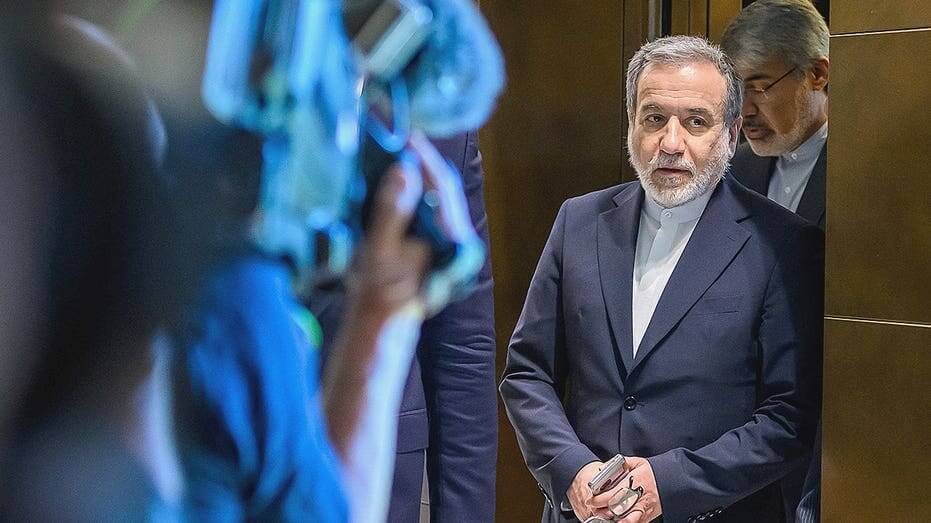
U.S. and Iranian negotiators met Sunday in Switzerland amid warnings of a potential dispute over billions of dollars in Iranian assets. Regional analyst Alex Vatanka told Fox News Digital that the disagreement could test the stability of a recent interim agreement.
The talks are taking place at Bürgenstock, near Lucerne, following the signing of a memorandum of understanding on June 17. Iran’s President Masoud Pezeshkian indicated early Sunday that Tehran expects $6 billion of its funds in Qatar to be returned, criticizing former President Donald Trump’s stance on Iran’s rights.
The dispute traces back to discussions at the G7 summit in Évian-les-Bains, France, where world leaders debated the issue. Trump defended the freezing of Iranian funds during a marathon news conference, emphasizing that the money was not Iran’s but frozen by U.S. sanctions. He added that access to the funds would be conditional during negotiations, stating on Truth Social that Iran would receive “not ten cents” if it failed to meet commitments.
Vatanka explained that the core issue is control over the funds, not just the amount. While estimates of Iran’s frozen assets range from $100 billion to $120 billion, the immediate focus is on accessing roughly $24 billion to $25 billion as part of a phased release tied to compliance.
Iran’s assets are held under sanctions in countries including China, India, Iraq, and South Korea. The dispute over their use centers on sovereignty and leverage. Iran emphasizes control over the funds, while the U.S. seeks to attach conditions to ensure funds are used for humanitarian purposes and to prevent support for regional conflicts, such as Hezbollah.
Qatar’s Foreign Ministry announced that the talks aim to reach a comprehensive agreement, with technical teams negotiating final details. Reports indicate that an initial $6 billion could be directed toward humanitarian aid, including food and medicine. However, Western officials remain concerned about the potential diversion of funds to regional conflicts, warning that violations could lead to revoking access.
Vatanka noted that Iran plans to invest some of the funds in rebuilding infrastructure, while U.S. officials prefer controlled mechanisms for humanitarian and civilian projects. The negotiations continue as both sides seek common ground amid regional and political tensions.
Jon Ross Myers is the executive editor and publisher of the Mississippi News Network, Mississippi's largest digital only media company. He can be reached at editor@tippahnews.com