This week’s reporting from the Mississippi Delta supplies a compact curriculum for Christian public life: art that remembers, activists who carried risk, livelihoods under pressure, and public institutions whose protections may be eroding. Taken together, these items form a moral landscape in which faith cannot remain merely private.
An artist’s new exhibition invites viewers into worlds shaped by the river and the place. Art has long been a means of communal memory — naming what is beloved and broken — and the church should not cede that vocation. Christians are called to be witnesses, people who attend to the textures of a place so that memory and hope remain in tension rather than being flattened into nostalgia or denial.
The death of a civil‑rights veteran who helped found the Mississippi Freedom Democratic Party reminds us of the cost paid for voting rights and civic inclusion. Accounts that survivors feel America is turning backward should provoke sober lament among the faithful. Lament is not defeat; it is the honest posture of a community that refuses cheap consolations and instead commits itself to repair and remembrance.
At the same time, we read that core civil service protections, born from a traumatic chapter known as “Death by Lightning,” have been put into jeopardy by recent court action. Institutions are fragile and must be stewarded. Christianity’s public ethic has resources for this work: a sense that social goods — fair process, impartial service, the ability for citizens to trust public institutions — are not mere conveniences but moral goods that sustain neighborliness and civic flourishing.
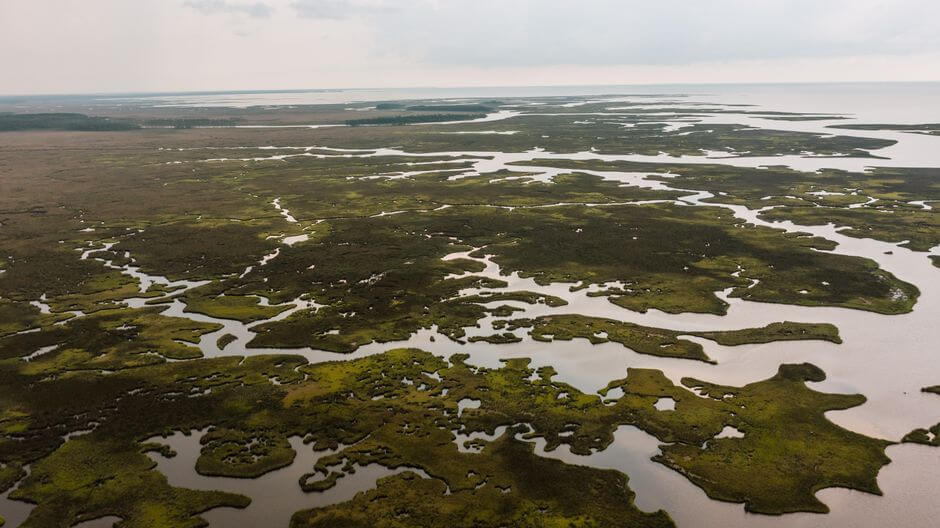
There are practical signs of both strain and resilience in the Delta’s economy and ecology. Reports that soybean purchases to China have resumed under a trade deal, even as the future for farmers is described as daunting, sit alongside environmental warnings that this summer’s Gulf “dead zone” will be larger than average. At the local level, a civil engineer who keeps bees and produces Kickapoo honey offers a quieter example of tending creation and making a livelihood in harmony with land. For Christians, care for creation and solidarity with workers are twin obligations: neither can be reduced to slogans.
These stories together make a simple demand: faith must translate into sustained civic practice. That will look like art that holds memory, ordinary people tending soil and hives, citizens defending fair institutions, and communities that honor those who sacrificed for the vote. None of these are quick fixes; they are patient, often unglamorous labors of repair.
There are real uncertainties — the future of farmers, the scale of ecological damage, and the fate of vital public protections — and the Christian posture here is neither triumphalism nor despair. It is a steady blend of lament, prayer, and responsible action. If the Delta teaches us anything this week, it is that faith grounded in place is called to resist forgetting, to care for creation and neighbor, and to work for institutions that enable a common life.
Jon Ross Myers is the executive editor and publisher of the Mississippi News Network, Mississippi's largest digital only media company. He can be reached at editor@tippahnews.com