Mississippi is the least transparent state in how it is spending nearly $206 million in federal rural health funds, according to experts tracking the use of billions allocated nationwide. Jamila McLean, director of health equity for the State Health and Value Strategies consortium, told lawmakers Thursday that nearly every other state has held public meetings and gathered input on fund distribution, but Mississippi has not.
McLean explained that Mississippi’s transparency is limited to publicly available information, which is scarce. Rep. Donnie Scoggins, a Republican from Ellisville, voiced concern, saying Mississippi appears to be the least transparent regarding the funds. He emphasized that the state ranks low in health outcomes and that rural hospitals have long struggled financially.
The federal government awarded Mississippi nearly $206 million in December as part of the Rural Health Transformation Program, a five-year initiative created under the One Big Beautiful Bill Act. The funds aim to improve rural healthcare through initiatives like care coordination, workforce development, telehealth expansion, and infrastructure improvements.
Mississippi’s application and distribution of the funds are overseen directly by the governor’s office, unlike most states where multiple agencies participate. McLean noted that New Hampshire is more transparent in its use of similar funds. Mississippi did conduct an online public survey, but other states have held health summits, established advisory councils, and conducted workshops to solicit input.
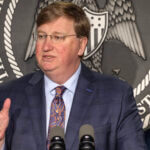
Gov. Tate Reeves announced April 29 that Richard Grimes, a certified public accountant, will serve as project director for the Mississippi Rural Health Transformation Office. Lawmakers plan to hear from Grimes at a June 4 hearing. Critics say Mississippi’s approach deviates from typical practices and is not based on Centers for Medicare and Medicaid Services requirements. Despite legislative efforts to impose oversight, Reeves vetoed bills requiring quarterly reporting and prioritizing rural areas, arguing they could jeopardize the funding. The veto was not overridden.
Lawmakers have expressed concern that some hospitals were told not to oppose the veto, raising questions about transparency and the sharing of information. Reeves did not respond to inquiries about future transparency measures or a planned interview with Grimes. The state’s contract with BDO Government Services, a consulting firm, is worth $10.2 million over seven years to help administer the program. Mississippi must obligate its first-year funds by October and spend them by September 2027.
Jon Ross Myers is the executive editor and publisher of the Mississippi News Network, Mississippi's largest digital only media company. He can be reached at editor@tippahnews.com